As an Amazon Associate, we earn from qualifying purchases. Some links on this site are affiliate links at no extra cost to you. Our recommendations are based on thorough research and editorial judgment.


How Waterproof Housings Work: Seals, Pressure, and Common Leak Causes

Waterproof housings rely on effective seals, appropriate pressure management, and careful material selection to prevent leaks. Seals must be installed correctly to avoid gaps, while materials like rubber and silicone should withstand environmental factors. Regular inspection is imperative to detect wear, and maintaining proper pressure levels helps protect seal integrity. When designing these housings, consider testing methods like immersion and pressure tests to guarantee reliability. Understanding these fundamentals is essential for maintaining waterproof effectiveness and preventing costly damage.
Key Takeaways
- Waterproof housings rely on seals to prevent water ingress, protecting internal components effectively under pressure.
- Pressure differences are essential for O-rings to create effective seals, with variations affecting their integrity.
- Common leak causes include improper installation, wear and tear, and material durability issues with seals.
- Routine inspections and monitoring of seals enhance longevity and detect potential failures early to prevent leaks.
- Proper material selection and alignment during design ensure effective sealing and reduce the risk of water ingress.
Common Seal Failures and Their Solutions
You may be interested


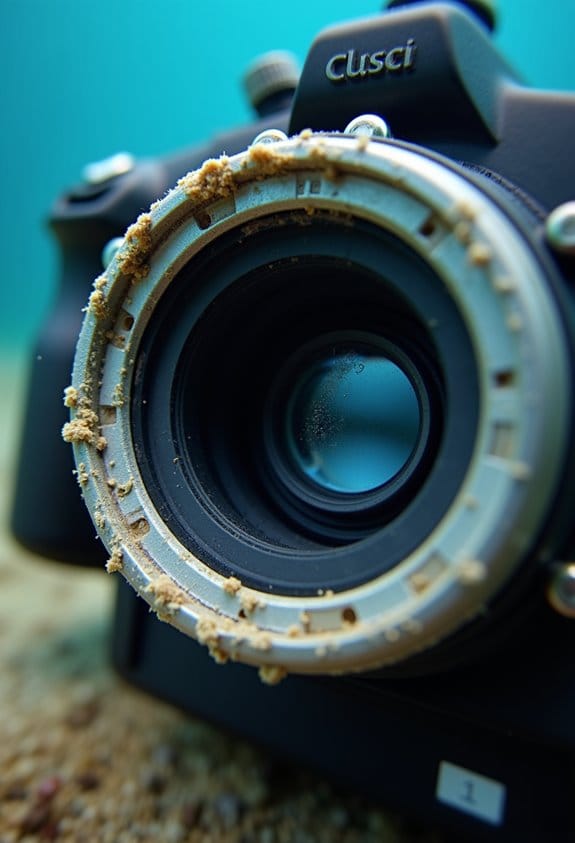
Hey there! Let’s talk about waterproof housings and seal failures—something that can really be a headache if not handled correctly. One of the biggest culprits of seal failure is improper installation. If there are any gaps or if the seal gets bent during installation, it can lead to leakage, which is the last thing you want when you depend on those housings to keep water out.
Imagine you’re using a waterproof case for your phone while kayaking; if the seal isn’t seated properly, you might find your phone taking an unexpected swim! That’s why in high-pressure situations, it’s often a good idea to use backup rings. They provide extra support and help maintain a tight seal under stress.
Another issue to watch out for is something called “compression set.” Over time, seals can lose their elasticity and start leaking, even under low pressure. Regularly checking the seals for wear and tear is essential. It’s also smart to consult compatibility charts when selecting seal materials for different fluids. Using the wrong material can lead to chemical reactions that break down the seal over time. Many waterproof cases are designed with an upgraded sealing ring to enhance leak protection in extreme conditions.
Understanding O-Rings: The Heart of Waterproofing
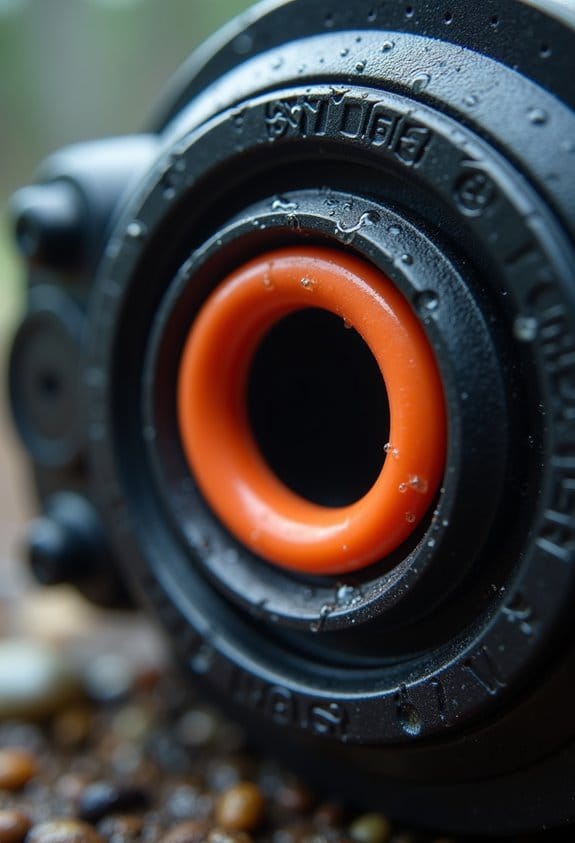
O-rings are really fascinating little components that play a big role in waterproof housings. Think of them as the frontline warriors against water getting inside your gadgets. They work by relying on pressure differences, which helps them create a strong seal so water doesn’t intrude.
Choosing the right material for these O-rings is super important. For instance, using rubber that can withstand harsh environments not only helps prevent leaks but also keeps the O-ring flexible over time. Have you ever noticed how a rubber band can lose its stretch? That’s called compression set, and it can happen to O-rings, too, which is why we need to choose the right materials.
The design of the groove where the O-ring sits can also make a huge difference. A well-designed groove that avoids sharp corners helps ensure a snug fit, which is crucial for keeping that seal effective. Regularly checking your O-rings for signs of wear or deformation is a smart move. For example, if you spot any cracks or flattened areas, it’s time for a replacement before your device faces any water damage.
Additionally, many waterproof housings use upgraded sealing rings made from durable materials to enhance leak prevention and reliability.
How Pressure Fluctuations Affect Seal Integrity
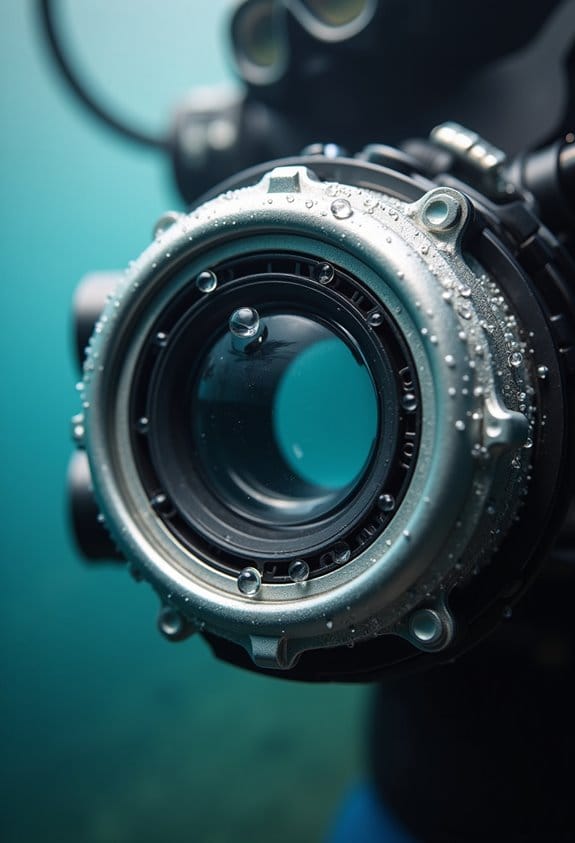
You know, pressure fluctuations can really mess with the integrity of seals in waterproof housings. Imagine you’re on a fishing trip, and suddenly the pressure inside the housing changes because of the depth you’re at. Those rapid shifts can create spikes that might go beyond what the seals were designed to handle. When that happens, you could end up with leaks that let water in, which is definitely not what you want!
Think about it this way: when the pressure outside is high, it puts extra stress on the seals. This can lead to failures, especially if you’re not keeping an eye on how those pressure levels change. It’s crucial to monitor your systems and adjust conditions accordingly. For instance, if you’re using a camera in the ocean, it makes sense to check how deep you’re going and plan your dives to avoid those high-pressure situations that could compromise your seals.
Also, don’t forget about temperature. As per the ideal gas law, if the temperature shifts, it can change the internal pressure as well. This means you need to consider how that might affect your seals’ durability over time. Things like compressive set and chemical compatibility play big roles in ensuring your seals last longer and work reliably, keeping your gear safe and dry. So always think ahead to maximize performance in your activities! Using materials with IP67 waterproof rating can help enhance seal reliability under these challenging conditions.
Why Proper Installation Is Crucial for Seals
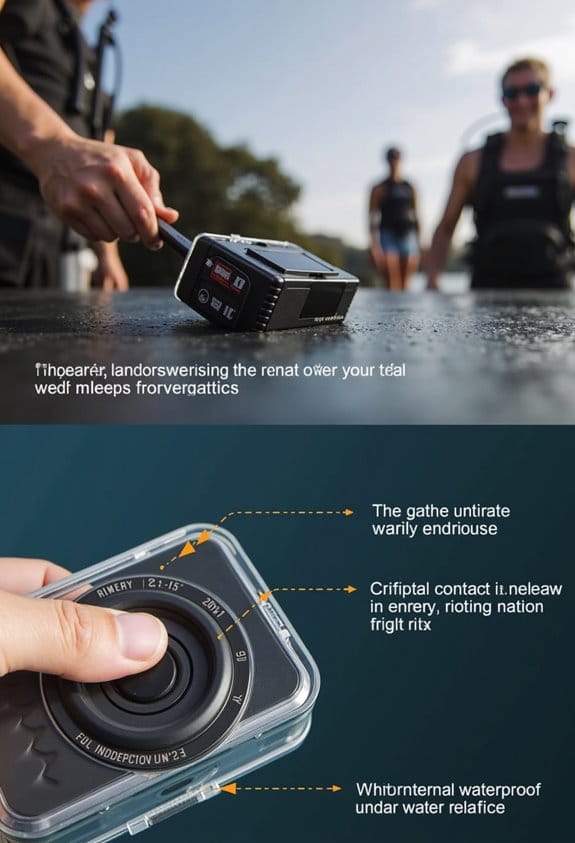
Hey there! You know how crucial proper installation is for seals, especially in waterproof housings? It’s one of those things that can really make a difference. If seals aren’t installed correctly, gaps can form, and those gaps can let water in, ruining everything. Imagine trying to keep your phone safe in a waterproof case, only to find out it leaked because the seal wasn’t placed right!
To avoid this, installers really need to stick to the guidelines set by the manufacturer. It’s like following a recipe – every step matters. For instance, make sure you’re using the right tools and keeping the seal grooves nice and smooth without any sharp edges. This helps prevent damage during installation. Plus, using designs that help prevent mistakes, like poka-yoke, can really boost the reliability of seals.
Another helpful tip is to focus on alignment while setting everything up. A little training can go a long way in making sure seals are lined up just right, which can extend their lifespan significantly. And don’t forget – doing regular inspections as you go can help catch any potential issues early, so you can enjoy a secure, leak-free environment. It’s all about keeping everything in check to maintain system integrity and avoid headaches down the road! Additionally, considering the waterproof rating during installation ensures the housing will perform reliably under expected depths and pressures.
Choosing the Right Materials for Waterproof Seals
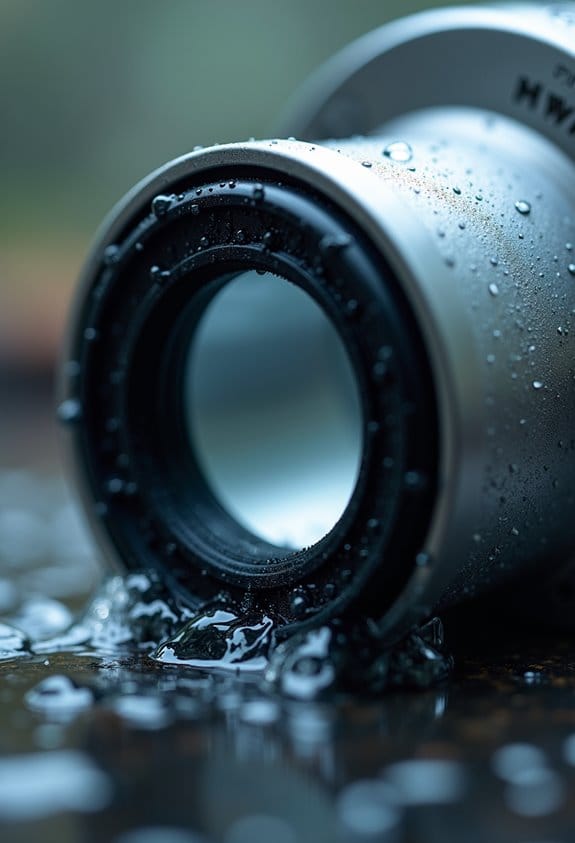
When it comes to creating waterproof seals, choosing the right materials can really make a difference in how long they last and how well they keep moisture out. First off, you want to consider how the elastomer—basically a type of rubber—will hold up against any fluids it might encounter. For example, if your seal will be exposed to oil, you’ll need a rubber that won’t break down in that environment.
High-quality rubber seals are your best bet here. Aim for those with a compression set under 5%. This means they’ll maintain their shape and seal tight over time. Think of it like selecting a sturdy rubber band: the better the quality, the longer it will stretch without losing its grip.
It’s also important to pick materials that won’t soak up moisture. Advanced elastomers or dense thermoplastics are great choices; they’re non-porous, which keeps water out effectively. Don’t forget about UV and ozone resistance, too! Options like BISCO silicones are particularly good at resisting the tough environmental conditions that could wear down your seals.
Choosing the right materials sets the stage for reliable waterproof housings that can stand up to elements. So, the next step is to think about how and where you’ll be using these seals, so you can tailor your choices accordingly. Also, ensuring the materials maintain a stable voltage output under pressure can prevent seal degradation over time, an important consideration borrowed from battery performance best practices.
How Aging and Wear Impact Seal Performance
Hey there! So, you know how seals are crucial in keeping things leak-proof? Well, over time, the aging process of seals can really compromise their effectiveness, leading to potential failures. Stuff like temperature changes and exposure to chemicals can wear seals down, causing them to lose their tight grip and, ultimately, increase the chances of leaks. It’s important to keep an eye on them, especially since dirt and other contaminants can speed up that aging process.
One way to monitor a seal’s health is by looking at its compression set, which basically tells you how well it bounces back to its original shape after being squished. For instance, if you find that an elastomer seal isn’t regaining its form as it should, that’s a red flag. Regular checks for visible wear or damage are key, and if you spot anything concerning, it’s best to replace those parts. Opting for higher-quality elastomers can really boost how long your seals last.
Ultimately, staying proactive with inspections can help minimize the risk of leaks, keeping everything running smoothly. Plus, understanding these details can really make a difference in maintaining peak performance—something worth chatting about when considering seal maintenance strategies! When selecting or maintaining seals, it’s also essential to consider saltwater resistance to ensure longevity in marine environments.
Effective Maintenance Practices for Seal Longevity
To keep seals in great condition and extend their lifespan, it’s super important to do regular inspections. Just think about it: catching any cracks or signs of wear early can save you a lot of hassle later on. As you’re checking, look out for things like discoloration or abrasions, which can signal that it’s time for a change.
One thing that’s often overlooked is lubrication. It’s essential to use the right amount—too much can actually make seals swell, leading to leaks. Also, keeping an eye on operating conditions, like temperature and pressure, is crucial. If those go out of the recommended range, it can compromise seal integrity.
And here’s a tip: implementing a preventive maintenance program can make a huge difference. For instance, keeping a log of seal performance can help you spot trends and plan timely replacements. Don’t forget to train your maintenance team on proper installation techniques; getting it right from the start is key to preventing future leaks. With a few simple steps, you can really make sure your seals last longer and perform better!
It’s interesting how these small practices can lead to big payoffs, isn’t it? Speaking of maintenance, let’s move on to how regular check-ups can benefit other equipment too! Regular inspections combined with knowledge of waterproof ratings help ensure that waterproof housings maintain their protective qualities over time.
Environmental Factors Affecting Waterproof Seal Integrity
You know how important it is to keep waterproof seals working well, right? A lot of environmental factors can really affect their integrity. For instance, extreme temperatures can make seals lose their flexibility or even turn brittle, which can lead to leaks you definitely want to avoid. That’s why it’s smart to choose materials that are made to hold up against those temperature swings.
Another thing to consider is UV and ozone exposure. Over time, these elements can wear down seal materials. So, if you’re selecting seals, look for ones that are specifically resistant to UV rays and ozone. This choice can really help extend the life of your seals.
Don’t forget about chemical compatibility, either. If seals come into contact with the wrong fluids, they might swell or crack. This can seriously mess with their performance. Additionally, pressure changes can be a game of chance; if the pressure spikes too much, it could push your seals beyond their limits and cause leaks.
Lastly, keep an eye on how seals are installed. Sharp bends and tight corners can lead to local deformation, which can compromise the seals’ effectiveness. It’s best to check the groove designs beforehand to ensure everything fits snugly without being overly strained.
Besides these factors, manufacturers often incorporate anti-fog inserts to improve reliability in humid or fluctuating temperatures, further safeguarding seal integrity.
By keeping these factors in mind, you can help maintain the integrity of your waterproof seals and avoid any leaks down the line. So, what’s next on your mind about seal maintenance?
Tips for Designing Effective Waterproof Housings
When it comes to designing waterproof housings, you really have to pay attention to the small stuff. If you’re not careful, even a tiny oversight can lead to big problems. Start by choosing the right O-rings — the material and size matter a lot for keeping everything sealed tight against pressure differences. Think of O-rings like the rubber bands on your lunch bag; if they’re too big or made of the wrong material, things might leak.
Next, let’s talk about gaskets. When you’re designing these, go for wide-radius rounding on corners since it helps reduce leakage at joints and boosts overall sealing performance. Imagine trying to fit a square peg in a round hole — those well-thought-out corners can really make a difference!
If you’re working with gear that moves or is going to be submerged in water, make sure to test it at the depths you expect it to go. You want to ensure waterproof performance is spot on and that nothing flexes out of place where it shouldn’t. And don’t forget about using bulkhead connectors; these keep water from sneaking in through cable penetrations.
Lastly, keep a keen eye on those joint clearances. Regular checks can save you from alignment issues that compromise sealing effectiveness. If a joint is off-kilter, it can lead to leaks that threaten the whole housing’s integrity. So, taking a little time to monitor these details goes a long way. Now, speaking of monitoring, let’s dive into maintaining your waterproof setup effectively!
In addition, consider the waterproof ratings of your housing to ensure it can withstand the pressures at your intended depth and conditions.
Best Practices for Testing Waterproof Seals
Want to make sure your waterproof seals really hold up in challenging environments? One practical method is immersion testing, where you submerge the seals to specific depths and check if they can handle the pressure changes. For example, if you’re testing seals meant for underwater equipment, putting them under the same pressure they’d experience in the ocean helps you ensure they’re up for the task.
Next, pressure testing is a must. This means applying both low and high pressures to see how well the seals perform. Picture this: you have a seal that’s used in a high-pressure hydraulic system. It’s crucial to know if it can take the heat without leaking. Also, remember to conduct cycling tests, where you repeatedly stress the seals to mimic what they’d face in regular use. This helps you spot any wear or fatigue before it becomes a bigger issue.
Operational testing is another valuable step. By using thermal imaging, you can identify any unusual temperature changes that might indicate the seal is struggling. Plus, don’t forget about routine inspections! Keep an eye out for any signs of leakage and check how the seals handle different chemicals, especially if they’re exposed to various fluids in their application. By following these steps, you’re setting the seals up for long-term success and avoiding unwanted headaches down the line. Interested in digging into what kinds of seals are best for specific tasks? Consider pairing these tests with the use of shock-resistant materials to further enhance seal durability and protection.
Frequently Asked Questions
What Causes a Seal to Leak?
Approximately 70% of seal leaks originate from improper installation and material fatigue. Major causes include seal degradation factors, pressure variations, environmental exposure, temperature fluctuations, and chemical exposure, all exacerbated by design flaws and manufacturing defects.
What Seal Is Designed to Keep Fluid From Leaking Between Moving Components?
Dynamic seals are specifically designed to prevent fluid leakage between moving components. Their pressure resistance relies on tailored seal materials and sealing mechanisms, making them suitable for various applications. Proper installation and maintenance are essential for peak performance.


