As an Amazon Associate, we earn from qualifying purchases. Some links on this site are affiliate links at no extra cost to you. Our recommendations are based on thorough research and editorial judgment.

Underwater Audio: What You Can (and Can’t) Record Clearly

Hydrophones capture a wide range of underwater sounds, including marine vocalizations and environmental noise. However, recordings gain clarity when fully submerged and can struggle with high-frequency sounds. Avoid above-water recordings, as clarity deteriorates. Handle hydrophones carefully to minimize handling noise, and protect them with waterproof cases. For effective results, experiment with proximity to sound sources. Understanding the limitations and proper techniques is essential. By employing these strategies, you can enhance your underwater audio recordings markedly. More insights await.
Key Takeaways
- Hydrophones effectively capture underwater vocalizations from marine life, including whale songs and fish sounds.
- Environmental noises like water flow, crashing waves, and boat sounds can be recorded clearly using hydrophones.
- Above-water sounds lack clarity when recorded underwater, making hydrophones ineffective in that context.
- High-frequency sounds may lose clarity underwater; proper hydrophone selection is crucial for quality recordings.
- Handling noise and proper hydrophone placement are vital to ensure good sound quality during underwater recording sessions.
Understanding Hydrophones: Essentials for Sound Capture
You may be interested


Hey there! Let’s chat about hydrophones and why they are so crucial for capturing underwater sounds. These nifty microphones are specifically designed to work underwater, and they can pick up a whole range of sounds from the aquatic world, like the calls of dolphins or the gentle swaying of kelp. It’s fascinating how sound travels differently in water; for example, it moves about four times faster than in air!
When using a hydrophone, sensitivity is key. It allows you to detect a variety of sound frequencies, but here’s the catch: not every hydrophone has a flat response curve, which can change how those sounds come across in your recordings. For instance, a hydrophone that emphasizes certain frequencies might make whale songs sound a bit off. So, it’s good to be aware of this and test your equipment before heading out.
Also, be mindful of how you handle your hydrophone and its cables. Rough handling can introduce unwanted noise that will mess with the clarity of your recordings. And let’s not forget about stereo imaging; underwater, hydrophones often struggle with separating sounds. To help, you can use some post-editing techniques to enhance stereo effects, making your recordings sound richer and more immersive. Proper setup and secure installation, similar to installation ease in other specialized mounts, can help reduce interference and improve recording quality.
Types of Sounds Hydrophones Can Record?

Hey there! Have you ever heard of hydrophones? They’re pretty amazing gadgets that record a wide variety of sounds from underwater. One of the coolest things they do is capture the vocalizations of marine creatures, like the haunting songs of whales or the chatter of fish. These sounds can be hard to hear when you’re above water, so hydrophones really help us understand what’s going on beneath the surface.
Not only do they pick up the voices of marine life, but they also catch environmental sounds, like the gentle flow of water, crashing waves, or even the noise from passing boats. It’s like creating an underwater soundscape that tells a story about the ocean. And because hydrophones can capture sounds across a wide range of frequencies, they can pick up everything from the low rumbles of massive whales to the high-pitched clicks from tiny shrimp.
If you’re using one, it’s helpful to place the hydrophone in different spots to get the best recordings. For instance, cooler water can actually transmit sound better than warmer water, so that’s something to think about when you’re out there. It’s fascinating how much we can learn about underwater life through sound! So, next time you’re by the ocean or a lake, just think about what’s happening below the surface and all those hidden sounds waiting to be explored. To ensure the clearest recordings, consider using devices with waterproof design that can withstand submersion and maintain sound integrity underwater.
Hydrophone Limitations: What They Can’t Do

Hey there! You know, hydrophones are pretty amazing when it comes to capturing the sounds of underwater environments. However, they do have some limitations that are important for anyone working with them to understand. For starters, they really can’t do much if you try to record sounds above the water. When exposed to air, the audio often comes out unclear or just inaudible.
Another thing to keep in mind is that hydrophones struggle with high-frequency sounds. As you go up in frequency, clarity can drop off fast because the sounds don’t travel as well in water. If you’re recording, it’s also a good idea to stay still to avoid any handling noise that might mess with your audio quality. Hydrophones only work underwater, so you won’t be able to get any decent sound if you switch to above-water recording suddenly.
Recognizing these limitations is key to effectively using hydrophones and getting the best underwater sounds. By understanding their strengths and weaknesses, you can choose the right tools for your audio adventures. Using microphones with noise-canceling technology can also help improve audio clarity in challenging environments. Ready to explore the unique characteristics of underwater soundscapes? Let’s get into that next!
How to Use Hydrophones Effectively in Various Environments
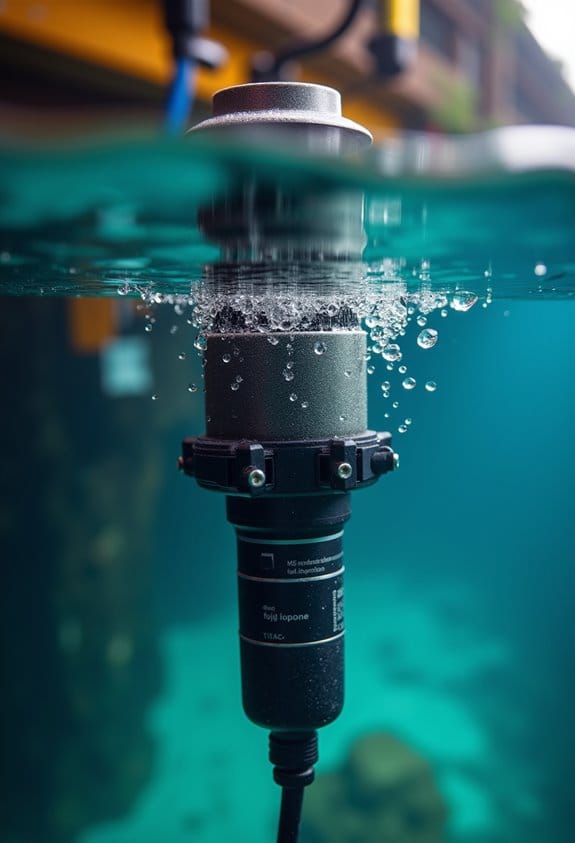
Hey! If you’re looking to capture some amazing sounds underwater, using hydrophones can be a game-changer. But to really get the best results, you need to put a little thought into where and how you do your recordings. Start by scouting locations and keep an ear out for potential noise sources like boats or machinery—avoiding these spots will help your recordings sound much clearer.
Make sure your hydrophones are protected with waterproof gear so they stay safe. And remember your other equipment needs to stay dry too, or you risk damaging it. Did you know that sound actually travels faster underwater? Plus, colder water can make sound transmission even better, so consider planning your recording sessions based on water temperature.
Don’t be afraid to move around with the hydrophones! Introducing air and bubbles can help create some really unique soundscapes. Try different recording techniques too! For instance, experiment with how close you get to your subject or set up the hydrophone in unconventional ways to capture sounds in new and interesting ways. This hands-on approach will help ensure that your recordings are not just clear but also full of character.
To maintain the best audio quality, consider using appropriate protective covers to minimize unwanted noise and improve noise reduction effectiveness.
With a bit of experimentation and creativity, you’ll be amazed at what kinds of underwater sounds you can discover! So, what’s next on your recording journey?
Best Hydrophones You Should Know About
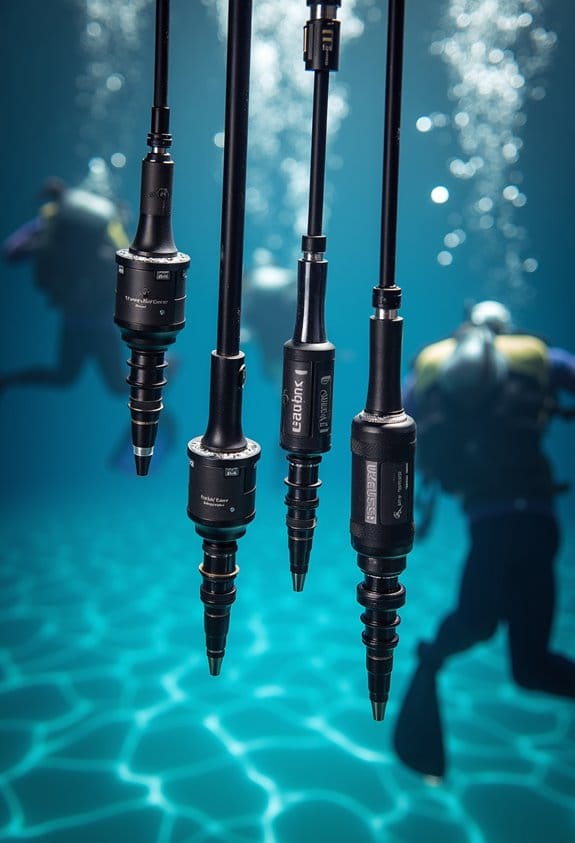
When it comes to capturing underwater sounds, picking the right hydrophone can make all the difference. For example, if you’re just starting out and don’t want to break the bank, the Cetacean Research SQ26-H1 Portable Underwater Sound Recording System is a great choice. It’s user-friendly and versatile, making it perfect for a range of underwater projects.
If you’re willing to spend a bit more, check out the Aquarian Audio H1a hydrophone. Priced around $150, it’s celebrated for its tough build and impressive sound quality—ideal for recording marine life or underwater music. For those more serious about acoustic studies, combining the CRT SQ26-08 with a Zoom H1n recorder lets you really fine-tune your sound monitoring through the external headphone output.
Now, if you’re on a tight budget, you might want to try your hand at making your own hydrophone. You can easily construct one using piezoelectric elements sealed in silicone, and it usually costs between $50 to $100. Just remember to keep an eye on the specifications like sensitivity and frequency response; these details can significantly affect your sound quality. With the right hydrophone in hand, you’re all set to capture those fascinating underwater sounds! Additionally, using high-speed data transfer equipment like USB 3.0 card readers can streamline transferring your large audio files for editing and sharing.
Tips for Capturing Optimal Underwater Audio Quality
Capturing high-quality underwater audio is all about paying attention to the little details that can make a big difference. First off, you’ll want to use hydrophones specifically designed for underwater recording; they work best when they’re fully submerged. It’s fascinating to note that sound actually travels faster in water than in air, so your recording setup needs to take that into account.
When you’re using hydrophones, handle them carefully. Excess cable noise can sneak into your recordings, and we definitely don’t want that! To create some interesting effects, try incorporating movement while you’re recording; for example, swim closer to or further away from your sound source to experience the Doppler effect—you’ll be thrilled with the results.
Now, one thing to keep in mind is that stereo imaging can be tricky when recording underwater. If you find that it’s not quite right, don’t stress! You can always improve it during the editing process. By following these straightforward tips, you’ll enhance the overall sound quality and produce recordings that truly resonate. Ready to get started? Let’s explore what kind of sounds you might want to capture next! Make sure to protect your equipment with waterproof cases to prevent damage during underwater recording sessions.
Frequently Asked Questions
How to Record Underwater Sound?
To effectively record underwater sound, one must use specialized underwater microphones that account for sound travel in aquatic environments, ensuring minimal movement and ideal positioning for improved clarity and quality of the captured audio.
How to Fix Audio That Sounds Like It’s Under Water?
Audio that sounds like it’s underwater can often be improved through audio editing techniques, proper underwater microphone selection, and understanding sound wave propagation. Engaging these methods can greatly enhance clarity and restore the intended audio quality.
Why Does My Recording Sound Underwater?
The recording may sound underwater due to inadequate recording techniques or unsuitable audio equipment. Sound distortion typically arises when microphones fail to capture clarity, especially in environments where they are not designed to perform effectively.
What Is the Best MP3 Player for Swimming?
The best MP3 player for swimming combines waterproof features, a long battery life, and positive user reviews. Options like the Tayogo and Swimbuds are frequently praised for their durability and performance, enhancing the swim experience considerably.


