As an Amazon Associate, we earn from qualifying purchases. Some links on this site are affiliate links at no extra cost to you. Our recommendations are based on thorough research and editorial judgment.


4K Vs 1080P for Action Cameras: When Higher Resolution Actually Helps

When choosing between 4K and 1080p for action cameras, consider the specific use. 4K captures more detail in fast-moving scenes and is ideal for high-energy activities, enhancing editing flexibility. However, 1080p balances image quality with reduced file size, perfect for casual videos or longer shoots. Each resolution has its advantages, so evaluate your storage capabilities and intended use carefully. For critical insights on selecting the right camera, further information awaits.
Key Takeaways
- 4K resolution captures more detail in high-speed activities, reducing pixelation and ensuring clearer footage, especially during fast-moving sports.
- Higher resolution allows extensive cropping and digital zooming in post-production without losing sharpness, ideal for dynamic action shots.
- 4K video supports higher frame rates, up to 120 fps, providing ultra-smooth playback for fast-paced content under bright conditions.
- Despite larger file sizes, 4K footage enhances color grading options and post-production flexibility due to its increased data.
- For casual use and long recordings, 1080p suffices, balancing quality with storage efficiency, making it suitable for social media content.
The Importance of Resolution in Action Cameras

You may be interested


Hey! So, if you’re thinking about getting an action camera, let’s chat about resolution because it’s super important for getting great footage. Basically, resolution is all about how many pixels make up the image. If you look at 4K resolution, that’s 3840 by 2160 pixels, and it gives you way sharper and clearer pictures than the standard 1080p, which is 1920 by 1080 pixels.
For example, when you’re filming high-speed activities like skiing or mountain biking, that higher frame rate along with 4K makes everything look smoother and lets you catch every little detail. Just picture yourself zooming down a slope—being able to see your facial expressions or the texture of the snow clearly can really make your video pop! But keep in mind that 4K videos take up a lot more storage space, so you’ll need to have a good memory card and possibly a bigger hard drive to back everything up.
Now, if you’re just looking to share fun videos with friends or on social media, 1080p usually does the trick and is way more manageable in terms of file size. However, if you’re aiming for something professional or if you want your videos to look stunning on larger screens, going with 4K is definitely the way to go. It gives you more editing options later, too, which can be a big help if you’re putting together something special. Plus, many top 4K action cameras include Electronic Image Stabilization to keep your videos smooth and clear during action-packed moments. So, what do you think? Ready to start filming?
What to Know About 4K Video Quality

Hey there! If you’re thinking about upgrading your action camera, understanding 4K video quality is a great place to start. So, 4K video has this impressive resolution of 3840×2160 pixels, which means you’ll see way more detail compared to 1080p—the difference is like going from two million pixels to over eight million! This clarity really shines when you’re filming fast-moving subjects, like biking down a trail or capturing your kids playing soccer. You’ll notice that annoying pixelation is way less of a problem in those action-packed scenes.
But there’s a catch: 4K videos take up a lot more space—about two to three times more storage than 1080p videos. So, if you’re planning on filming a full day out, make sure to have enough memory cards. Plus, to really enjoy that stunning 4K quality, you need a display that can handle it. If you’re just watching it on a regular HD TV, you’re not going to see all the rich details, as the video gets downscaled. That can be a bummer after you’ve put in all that effort to film in 4K. To keep your camera running smoothly during long 4K shoots, consider using high capacity rechargeable batteries that provide longer power and faster charging cycles.
Why Choose 1080p for Action Cameras?
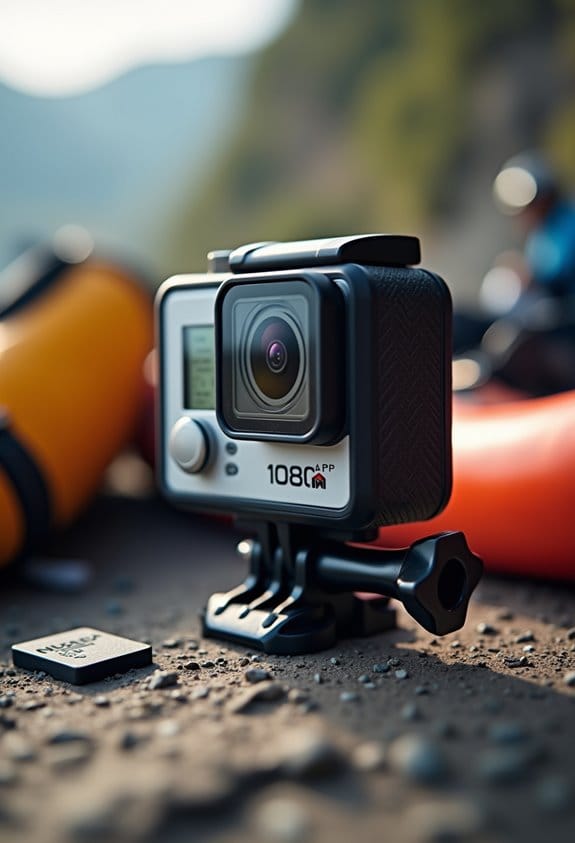
If you’re into action cameras, you’ve probably heard a lot about 1080p video resolution. It’s a solid choice for capturing your adventures, thanks to its 1920×1080 pixel count that strikes a nice balance between video quality and file size. This means you can record longer videos without worrying about your storage filling up too quickly. For instance, if you’re capturing a day of mountain biking, you’d probably appreciate being able to store multiple hours of footage without running out of space.
Shooting at 60 frames per second is another perk of 1080p. This frame rate makes fast movements look smooth, which is perfect when you’re zipping down a trail or surfing some waves. Plus, for those casual videos shared on social media, 1080p usually looks just fine, so you won’t miss out on the fun details without needing ultra-high-resolution footage.
And let’s not forget some of the handy features that come with 1080p cameras! Many of them are waterproof and shock-resistant, making them great companions for outdoor adventures or trips to the beach. It’s all about finding the right gear that fits your lifestyle. So, if you’re gearing up for your next big adventure, 1080p is a smart way to go! It sets the stage nicely for capturing your exciting moments without any hassle. Additionally, many models include Electronic Image Stabilization to ensure your videos stay smooth even during intense action.
How Higher Resolution Enhances Editing Flexibility

You know how higher resolution footage can really change up the editing game? Just think about 4K—it’s packed with so many more pixels than standard 1080p, which means you get way more detail in your shots. Instead of stressing over whether you can crop that scene without making it look blurry, you can confidently zoom in or reframe your shots without losing that crisp quality.
For example, if you’re shooting a landscape and later decide you want to focus on a particular tree or rock, you can crop in on that section without it becoming a pixelated mess. Plus, when it comes to fast-moving action, like a sports event, 4K allows for seamless digital zooming so everything stays clear and sharp.
And let’s not forget about color grading! The extra data in 4K footage means you can make smoother color transitions, which is super helpful for achieving that perfect look you want. All these benefits really take your final product to the next level, making 4K hugely beneficial for anyone in the video production field. Choosing a camera with an Exmor RS sensor can further enhance image quality and low-light performance when shooting in 4K.
File Sizes: 4K vs. 1080p Storage Needs

When you look at file sizes, you’ll notice a big difference between 4K and 1080p video footage. Simply put, 4K videos take up a lot more space—about four times more than 1080p. For example, a 4K video could use up over 375 MB in just one minute, while 1080p typically runs around 90 MB per minute. So, if you’re planning to shoot a long event, like a wedding or concert, those extra megabytes can fill up your storage pretty quickly!
Now, while there are methods to compress these files, 4K content still tends to be bulkier because it captures so much more detail. If you’re going to record for hours, it’s crucial to have enough memory cards or hard drives on hand to accommodate that size. No one wants to stop in the middle of recording because they ran out of space!
Keeping these factors in mind can make a big difference in your video projects. It’s always smart to check your storage capacity ahead of time. Now, let’s talk about how to choose the right equipment for these different resolutions. Choosing a U3-rated memory card ensures faster write speeds necessary for smooth 4K video recording without interruptions.
Are Higher Frame Rates Always Better?
Hey there! So, let’s chat about how frame rates impact video quality. When we talk about higher frame rates, like 60 FPS, they really do make videos look smoother, which is especially important for action-packed scenes, like sports games. Imagine watching a basketball match in slow motion versus real-time. The smoothness at 60 FPS helps you catch every quick move and detail.
That said, there’s a catch! If you’re shooting in low light, those higher frame rates might struggle to keep things clear and sharp. Picture trying to film a concert with dim lights; you could end up with some blurry footage if you’re not careful. Sometimes, you might actually get better results shooting in 4K at 30 FPS than in 1080P at 60 FPS. It’s all about figuring out what your scene requires.
Also, keep in mind that more frames mean larger file sizes. This can make storage and editing a bit tricky. So, the best approach is to think about where and how you’ll be filming. Choosing the right combination of resolution and frame rate really helps in getting the best video for your project. Next, let’s explore how lighting conditions affect your shooting options!
Additionally, using electronic image stabilization can significantly improve the smoothness of footage shot at varying frame rates.
When Should You Use 4K Action Cameras?
Hey there! If you’re thinking about using a 4K action camera, you’re in for a treat when it comes to video quality. These cameras shoot at a stunning resolution of 3840×2160 pixels, which means your videos will have incredible detail, making them perfect for capturing fast-moving subjects or high-energy sports. Imagine filming your friend doing a killer skateboard trick or capturing the thrill of a mountain biking adventure – with 4K, you can really see all those intricate movements.
One of the best things about 4K action cameras is that if you need to crop your footage in post-production, you won’t lose any of that sharpness. Plus, if you’re planning to share your videos on high-resolution platforms like streaming services or fancy TVs, filming in 4K ensures everything looks its best.
In bright conditions, these cameras can also shoot at speeds of 60 frames per second, which helps keep the action smooth and clear. Just keep in mind that 4K footage takes up a bit more storage space, so you might want to invest in extra memory cards. Overall, if you’re aiming for professional-quality videos that really pop, a 4K action camera is definitely the way to go! Now, let’s talk about what makes these action cameras so versatile for different types of adventures.
To keep your camera gear spotless and maintain image quality, consider using an air blower to remove dust regularly.
Top 4K Action Cameras You Should Consider
Hey! If you’re on the hunt for a 4K action camera, it’s really important to choose one that captures high-quality footage for all your adventures. For instance, the GoPro HERO11 Black is a fantastic option—it shoots ultra-smooth 4K video at an impressive 120 frames per second. This means that whether you’re skiing down a mountain or biking on a rugged trail, your videos will look super clear and fluid.
Another great pick is the DJI Osmo Action 3. It’s equipped with 4K HDR, which means it shines even in tricky lighting. Imagine capturing a sunset on your beach trip—the colors pop, and the details are sharp!
If you’re someone who loves to switch things up, the Insta360 ONE R might catch your interest. Its modular design lets you swap lenses easily, giving you the flexibility to create all sorts of shots, from wide landscapes to focused detail.
Now, if you’re concerned about shaky footage while you’re in the heat of action, the SONY FDR-X3000 is known for its top-notch image stabilization. It helps reduce motion blur, so you can enjoy smooth videos even during the most intense moments.
And for those who want quality without breaking the bank, the Akaso Brave 8 offers 4K recording at a budget-friendly price. It’s perfect for adventurers who want solid performance without overspending.
Additionally, choosing a camera with Balanced Optical SteadyShot technology can significantly improve the stability of your footage in challenging environments.
Making Your Choice: 4K vs. 1080p for Action Cameras?
When you’re trying to decide between a 4K and a 1080p action camera, it’s important to think about what you really need from your footage. 4K cameras have a higher resolution, packing 3840×2160 pixels, which means more detail and clearer images—especially useful when you’re filming things that move quickly, like skateboarding or surfing. For instance, if you’re capturing a snowboarder flying down a mountain, the extra clarity of 4K helps you pick out all the little movements without the image getting blurry.
On the flip side, shooting in 4K takes up a lot more storage space and requires a computer with decent processing power to handle those large files. If you’re planning a long day of shooting or need to save space on your memory card, 1080p could be a better fit for you. It can still look smooth—especially if you shoot at 60 frames per second—which makes a big difference for action scenes. So, think about what matters more to you: razor-sharp details for editing or convenience and storage efficiency for outdoor adventures. Now, let’s explore how these resolutions affect your final output, like editing and sharing your clips!
Also, choosing the right resolution can be simplified with smart remote controls that help you manage and preview your footage conveniently during your shoots.
Frequently Asked Questions
Is 4K Really Worth It Over 1080P?
In resolution comparison, 4K enhances video quality and viewing experience considerably. However, users must consider storage requirements and editing flexibility, as it may complicate playback compatibility on certain devices compared to the more manageable 1080p option.
Is 2K Noticeably Better Than 1080P?
2K offers notable benefits over 1080p, enhancing resolution differences and video quality. It improves camera compatibility, editing flexibility, and overall viewing experience, making it a superior choice for content creators who require finer detail in their work.
Should I Record 4K or 1080P on Gopro?
For GoPro settings, choosing 4K enhances footage quality and editing flexibility, but increases storage requirements and affects battery life. Alternatively, 1080p balances quality with efficiency, making it suitable for casual use and longer recording durations.
Is 4K Really That Noticeable?
Like a painter’s canvas, 4K resolution benefits viewing experience through enhanced clarity and vivid detail. However, considerations like file size, editing flexibility, and playback compatibility—especially on smartphones—can influence its perceived advantages compared to 1080p.


