As an Amazon Associate, we earn from qualifying purchases. Some links on this site are affiliate links at no extra cost to you. Our recommendations are based on thorough research and editorial judgment.

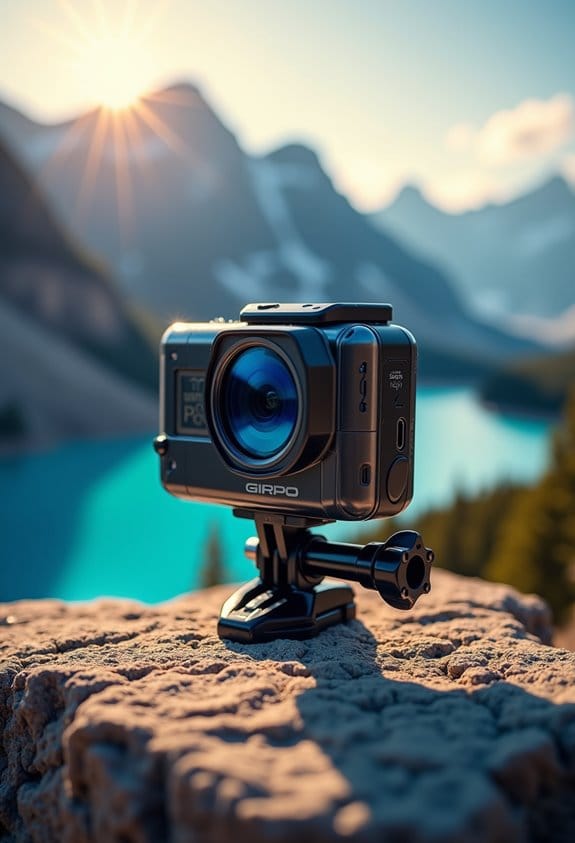
Taking Photos With an Action Camera: When It’s Worth Using Photo Mode

Using an action camera in photo mode is essential for capturing high-quality images in fast-moving situations. Set the camera to the highest resolution for maximum detail. Use burst mode to take multiple shots quickly, ensuring you don’t miss any significant moments. When shooting in bright sunlight, apply ND filters to manage exposure. For best results in low-light conditions, adjust ISO settings and experiment with angles. To discover more about maximizing your action camera’s potential, explore further insights on techniques and accessories.
Key Takeaways
- Use Photo Mode during bright outdoor conditions for sharp and vibrant images, especially during the golden hour.
- Burst mode is ideal for capturing multiple shots in quick succession during fast-paced activities.
- With adjustable ISO settings, Photo Mode helps enhance performance in varying light conditions.
- Employ high-resolution settings to ensure detailed shots, benefiting from the action camera’s capabilities.
- Utilize Neutral Density filters in Photo Mode to control exposure and improve overall color quality.
Why Use an Action Camera for Photography?
You may be interested


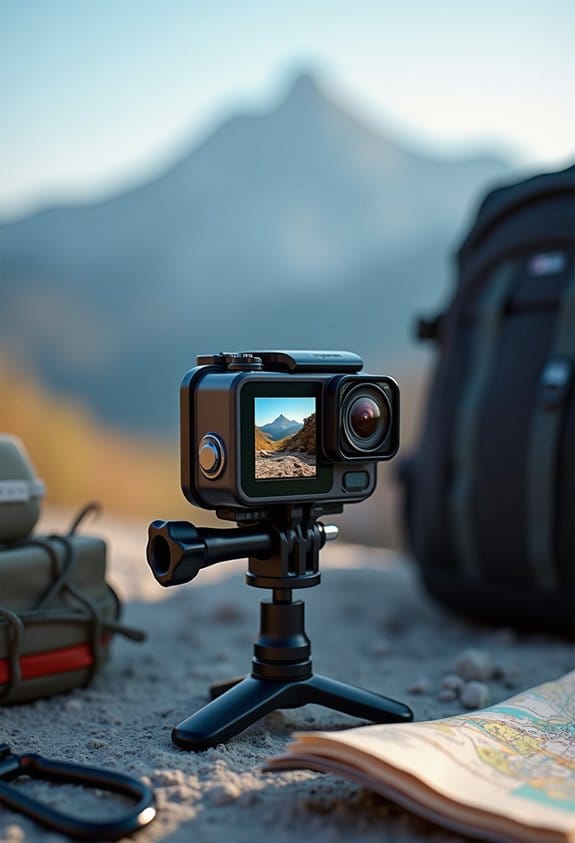
Hey there! So, let’s talk about action cameras and why they’re such a fantastic choice for photography, especially when you’re out and about doing something adventurous. These little gadgets are super compact and lightweight, which means they’re easy to toss in your bag or even carry on your wrist. Think about it: you’re hiking a trail or biking down a mountain, and you spot a breathtaking view. With an action camera, you can quickly snap that photo without missing a beat.
One great thing about action cameras is their high-resolution sensors. Unlike traditional DSLRs that can struggle to keep up with fast-paced motion, action cameras shine when the action kicks in. For instance, if you’re capturing your friends surfing, switching to burst mode allows you to take a ton of shots in quick succession. That way, you won’t just get one cool wave shot; you’ll have multiple frames to choose from, ensuring you capture that epic moment.
Plus, action cameras are built tough. They’re designed to handle rugged environments and are often waterproof, so you don’t have to worry if you’re caught in the rain or want to film while paddleboarding. This durability means you can focus on getting that perfect shot, whether it’s in bright sunlight or challenging lighting. Many models also offer waterproof ratings that enable underwater photography without extra gear. All in all, action cameras can really amp up your outdoor photography game, ensuring you don’t miss those incredible moments that happen on your adventures! Now, let’s dig into some tips for getting the most out of your action camera.
Key Features for Capturing Stunning Photos
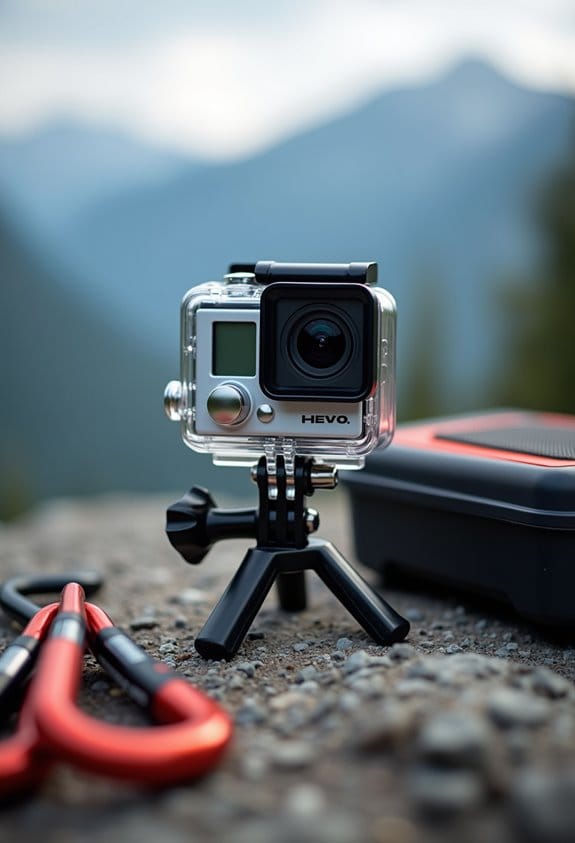
If you want to capture stunning photos during your adventures, knowing the key features of an action camera is super helpful. These little devices often come with high-resolution sensors that can range from 12MP to 24MP. That means they can take some impressive photos, even when conditions aren’t perfect. For instance, if you’re hiking and want to snap a breathtaking view of the mountains, the ultra-wide-angle lens will let you fit in all that beauty in one frame.
When you’re engaged in fast-paced activities like mountain biking or surfing, you can use the burst mode to snap several photos in a row. This increases your chances of capturing that epic moment when you catch air off a wave or hit a jump. And don’t forget about adjusting the ISO settings! If you find yourself in lower light, boosting the ISO helps catch more light, ensuring your shots aren’t too dark.
Oh, and here’s a little tip: using ND filters can be a game changer for your shots in bright sunlight. They manage exposure beautifully and can boost your colors, making everything pop! Try to take your photos during the golden hour—right after sunrise or before sunset. The light during this time can make your images look stunning by softening shadows. Also, many action cameras include 6-axis electronic image stabilization to reduce blur and enhance photo clarity during movement. With these tips, you’ll be well on your way to amazing photos. So, what’s next on your adventure list?
Recommended Products

10/11 frames per second continuous shooting in FX-format for up to 150 frames
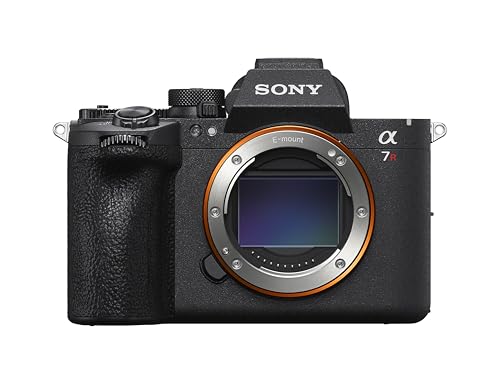
The first in the α7R series to feature a fully-stacked Exmor RS image sensor, the A7R VI delivers enhanced image quality with readout speeds up to 5.6x faster*2. Take your shooting to the next level with 30 fps bursts at full resolution*3, 4K 60p without cropping, expanded dynamic range, and reliable low-light AF.

20.8MP FX-Format CMOS Sensor
Tips for Enhancing Low-Light Photography With Action Cameras
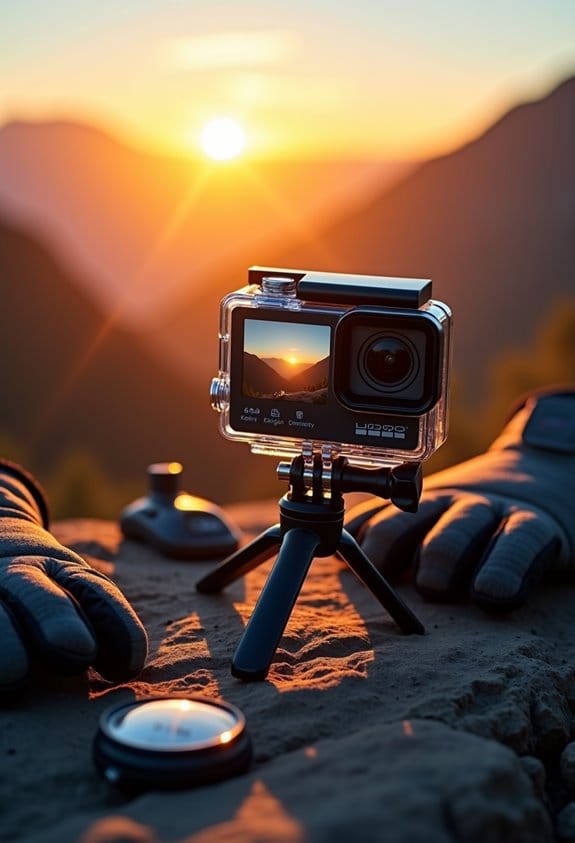
If you want to capture stunning photos in low-light conditions with your action camera, there are some cool techniques and settings to keep in mind. First off, try using the Protune settings. They let you take charge of things like ISO and white balance, which really helps improve your image quality. For example, setting the ISO too high can introduce a lot of noise in your photos, so it’s all about finding that sweet spot for the best detail.
Another handy tip is to always use the highest resolution available; this keeps your images crisp and clear. If you’re aiming for that dreamy motion blur, grab some ND filters. They slow down the shutter speed, allowing you to capture that beautiful blur while shooting action. Also, if you’re in tricky lighting, don’t shy away from burst mode. It takes multiple shots in quick succession, giving you a higher chance of nailing the perfect shot.
And here’s a little secret: some of the best low-light photos can come from using natural light around twilight or even nighttime. The soft glow can add a magical touch to your images. So, when you’re out and about with your camera, keep these tips in mind to elevate your low-light photography game! Also, using high-quality batteries can ensure your camera has sufficient power to handle extended shooting sessions in low-light conditions.
Recommended Products

INCLUDED – Sony Alpha 1 Mirrorless Digital Camera | Sony Battery | Battery Charger | Body Cap | USB Type-C to Type-A Cable | Cable Protector | Shoulder Strap | Accessory Shoe Cap | Eyepiece Cup | Backpack | 128GB SD Memory Card | Sony 1-Year Limited Warranty

Exceptional Image Quality

Sony USA Authorized. FX3 cinema package with full-frame camera, 64GB Extreme PRO SD card, soft bag, card reader, flexible tripod, hand strap, memory card wallet, lens cap keeper, and cleaning kit.
Best Practices for Action Photography
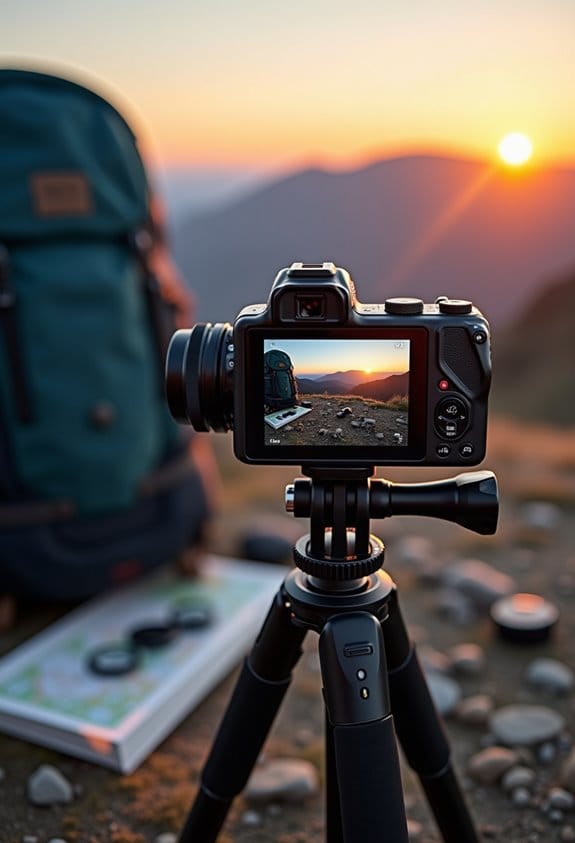
When it comes to action photography, you want to make sure you capture those thrilling moments with clarity and detail. It’s super important to set your action camera to the highest resolution possible. This way, whether you’re shooting a skateboarder flying off a ramp or a soccer player making that game-winning kick, you’ll catch every detail just right.
One cool trick is to use burst mode. This feature allows you to take a flurry of shots in quick succession, which is ideal for fast-paced situations. Imagine catching a bird in mid-flight or a kid diving into a pool—you want that perfect shot, and burst mode helps increase your chances. If you’re shooting outdoors, don’t forget to harness the power of natural light! Shooting during the golden hour, which is that magical time right after sunrise or before sunset, gives everything a warm, beautiful glow.
A wide-angle lens can expand your view and let you capture more of the action around you. Plus, using stabilizers like a tripod or gimbal can really help reduce camera shake, especially if you’re moving around a lot while shooting. Oh, and if you want to bring out those vibrant colors, try using a polarizing filter or neutral density filter. These tools help manage exposure and make colors pop, which is fantastic for outdoor scenes. To get the most stable and dynamic shots, consider using action camera mounts designed with adjustable components that provide secure and versatile positioning options.
Limitations You Should Know About Action Camera Photography
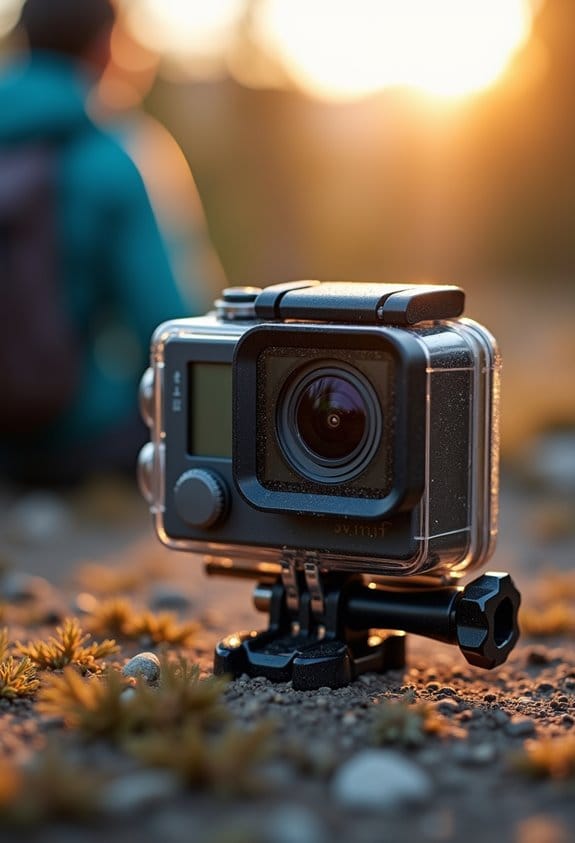
Hey! So, if you’re thinking about using an action camera to capture all those thrilling moments, it’s good to keep in mind that they do come with some limitations. For starters, the lacking manual controls can make it tough to really tweak things like ISO and shutter speed. This means you might miss out on some creative shots, especially when the lighting isn’t ideal.
Another thing to remember is that action cameras typically have a fixed wide-angle lens. This can create a distortion in your photos, which might not be great for portrait shots. Imagine trying to get a nice close-up of your friend’s face, but everything looks a bit warped—it can be a letdown. You’ll also notice they don’t have optical zoom. So, if you want to get a tighter shot, you’ll have to physically move closer or find a different angle.
And let’s talk about battery life—if you’re out all day filming your epic adventure, make sure to bring some spare batteries along. The battery can drain pretty quickly, especially if you’re recording in high resolution. Also, since action cameras usually have smaller sensors, don’t expect outstanding performance in low-light conditions. This could lead to grainy or less vibrant images when the sun starts to set. Many models offer dual batteries to help extend your shooting time during longer excursions.
Creative Composition: Using Angles and Distortion Effectively
You know what’s fascinating? How angles and distortion can really take a regular shot and turn it into something eye-catching. Action cameras come with ultra-wide-angle lenses that give us these amazing perspectives, but they can also bend the image a bit. You can actually use that distortion to your advantage, especially in landscape shots, to create a sense of depth.
Try experimenting with different camera angles! For instance, if you shoot from a low perspective, you can make action scenes look more dramatic. Or, if you elevate your camera for a bird’s-eye view, you might capture a whole new dimension of the scene. And don’t forget about framing—using leading lines, like a winding road or a river, really helps guide the viewer’s eye and adds excitement to your photos. Just remember to be aware of how your lens distorts things; sometimes, a little adjustment can save you from an awkwardly bent horizon. Also, when taking your camera outdoors, consider using a case with durability and protection features to keep your gear safe while you focus on creative composition.
Must-Have Accessories for Action Camera Photography
Hey there! If you’re into action camera photography, the right accessories can really transform your experience and help you capture those epic moments. For starters, grabbing a solid tripod can work wonders; it stabilizes your camera and drastically cuts down on any shake, especially when you’re shooting outdoors and on the move.
Now, if you’re using a GoPro or a similar camera, don’t overlook the value of specialty filters. For example, a neutral density filter can help you manage bright sunlight, while a polarizing filter can cut down on glare when you’re filming near water. Plus, investing in a rugged housing is a no-brainer since it’ll protect your camera from water damage and the occasional drop when you’re out on an adventure.
Oh, and let’s not forget about battery life! Action cameras can drain their batteries pretty quickly, so having a couple of extras on hand is super helpful for those longer shoots. Lastly, picking up an accessory kit gives you all sorts of attachments and cleaning tools you might need, which helps you maintain your camera and switch up your shooting angles without breaking the bank.
To really maximize your underwater shots, consider cases with waterproof depth ratings of at least 60 meters for optimal protection and performance.
I can’t wait to get into how you can further enhance your skills with the right techniques!
Recommended Products

99mm PROMINAR straight spotting scope with 30-70x zoom eyepiece

Night-Time Focus Adjustment: Precision adjustment integrates a fin lever matching the riflescope housing's ridge at 76 yards, the night-time focal point. Enables swift, accurate focusing without needing to visually check the riflescope.
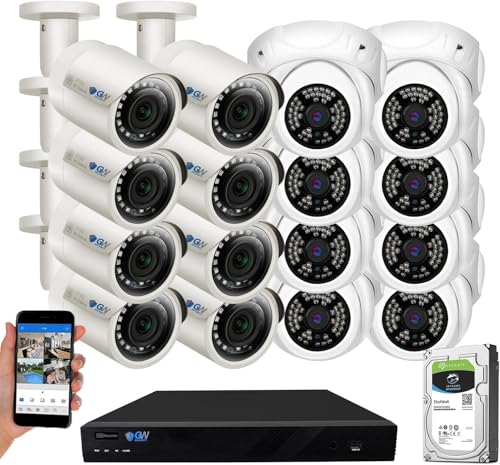
Max 12.0 Megapixel Full HD Realtime Recording 16 Channel 12MP 4K NVR Security System with (8) Bullet and (8) Dome 5MP 1920P Weatherproof AI POE H.265 IP Microphone Cameras (Built-in 2.8mm HD Lens for wide view angle and 18Pcs Infrared LED, View up to 100ft IR Distance)
Post-Processing Techniques for Action Camera Images
Hey there! If you’ve ever snapped a photo with an action camera, you know they often need a little extra love to really shine. The first step in post-processing images from your action camera is to tackle distortion that comes from those wide-angle lenses. You’d be surprised at how much this can change the look of your photos!
Next up, let’s chat about exposure and contrast. You want to find that sweet spot where both the bright highlights and dark shadows look great. For example, if you took a photo during sunset, tweaking those settings can help you see details in the trees without losing the gorgeous colors of the sky.
Don’t forget about sharpening your images! Motion blur can be a real bummer, especially in action shots, so using a sharpening tool can really bring those details back to life. If your shot is a bit off in color, don’t worry; color correction tools are your friends. They help match the colors in your image to what you had in mind. If you’ve taken your photos in RAW format, you can adjust things like white balance and exposure with ease, keeping everything high-quality.
Using high-quality filters like the K&F Concept ND PL Filter Kit during shooting can also significantly enhance the base image quality, reducing glare and improving color saturation before post-processing.
Finally, when you’re finished editing, make sure to save your images to an SD card. It makes it so much easier to access them whenever you want to revisit your favorite moments or work on your next project. So, are you ready to fine-tune those action shots? Let’s jump into more advanced techniques!
Comparing Action Camera Photo Quality With Traditional Cameras
Hey there! So, let’s chat about how action cameras stack up against traditional cameras in terms of photo quality. Action cameras are pretty popular, and for good reason—they can shoot high-res images, usually between 12MP and 24MP. This means you can get some nice snaps, but here’s the catch: they often struggle with things like dynamic range and low-light performance. For instance, if you’re shooting a sunset, traditional cameras typically do a much better job of capturing all the colors without losing detail in the shadows.
Another thing to keep in mind is the wide-angle lenses that most action cameras use. While they give you that fun, immersive perspective, they can also create distortion, which might not be what you want in a regular photo. On the flip side, traditional cameras shine when it comes to color balance and depth of field. Imagine capturing a portrait where the subject pops out beautifully, leaving the background nicely blurred—that’s something traditional setups excel at.
Plus, traditional cameras usually offer more manual controls, letting you tweak the settings to fit tricky lighting situations better. For example, if you’re out in the midday sun and the colors look washed out, you can adjust the settings for a more pleasing result. So, if you’re serious about photography, those extra features can make a world of difference. Now, let’s explore some more specifics about when and where you might choose one over the other!
Additionally, some advanced action cameras boast features like PureShot HDR Mode that can significantly enhance image quality in challenging lighting conditions.
When Should You Use Photo Mode for Optimal Results?
When it comes to using your action camera’s photo mode, there are some simple tips to ensure you get ideal results. First off, it’s best to use photo mode in bright outdoor conditions. This will really help you capture those sharp, vibrant images since action cameras have high-resolution sensors. For instance, think about how stunning landscapes look in full sunlight. The colors pop, and the details really shine through!
Another great feature to take advantage of is burst mode, especially during fast-paced activities. This lets you snap multiple photos in quick succession. So if you’re trying to capture that epic moment while mountain biking or surfing, you might just get a shot where everything falls perfectly into place. Timing also matters; aim to shoot during the golden hour, which is right after sunrise or just before sunset. The soft, diffused light during these times makes a world of difference in your photos.
Don’t forget about filters! For example, using a Neutral Density filter can help control exposure and enhance the colors in your shots. Lastly, try experimenting with different mounting options to capture unique angles. With that wide-angle lens, your action camera can help you achieve perspectives that will really make your subjects stand out. Choosing a mount with anti-shake features can significantly improve image stability during action-packed moments. So, now that you’ve got these tips in your toolkit, let’s chat about how to edit those photos for even more impact!
Recommended Products

PERFECT FOR BROADCAST: Designed as the perfect studio camera for ATEM switchers, this model has a 6K sensor up to 25,600 ISO, EF lens mount, HDMI out, SDI connections, 7" HDR LCD with sunshade, built-in color correction, built-in microphones, built-in hardware live streaming, and recording to USB disks.

【Magnetic Quick Mount – Swap Filters in Seconds】 Powerful magnetic design lets you attach/remove filters in 1 second; compatible with all Kase magnetic filters for stackable creative shooting—no screwing, no hassle.

INCLUDED – Complete Lens Bundle: Tamron 17-70mm f/2.8 Di III-A VC RXD Lens | Lens Hood | Front and Rear Caps | Tamron 6-Year Limited Warranty | Bundle Accessories: UV Filter | CPL Filter | ND2 Filter | Lens case | Cleaning Kit | Lens Cleaner | Cap Tether | Software Kit.
Frequently Asked Questions
Can You Take Still Photos With an Action Camera?
Yes, an action camera offers benefits for still photography, including high-resolution sensors and burst modes. However, ideal low light performance requires careful lens options and best settings, alongside photography tips to minimize distortion.
What Is the 20 60 20 Rule in Photography?
The 20-60-20 rule in photography suggests maintaining a mix of composition techniques, focusing on action sequences under varying lighting conditions, utilizing appropriate camera settings, and ensuring subject focus to enhance both quality and creativity.
What Camera Mode Is Best for Action Shots?
In a desperate attempt to capture fleeting magnificence, the best camera mode for action shots remains a swift shutter speed. Ideal photo composition arises from lens flexibility, adept lighting conditions, and preferable resolution settings—if luck allows.
Can You Take Good Photos With a Gopro?
A GoPro can indeed capture good photos, leveraging its capabilities in image stabilization and high-resolution sensors. Creative angles and burst mode enhance photo quality, making it a versatile action camera for dynamic environments.


