As an Amazon Associate, we earn from qualifying purchases. Some links on this site are affiliate links at no extra cost to you. Our recommendations are based on thorough research and editorial judgment.


Chest Mount vs Helmet Mount POV: How Each Perspective Changes Your Story

Chest mounts and helmet mounts each offer distinct advantages for POV footage in skiing. Helmet mounts capture a bird’s-eye view, showcasing surroundings and action, optimizing excitement but risking shakier footage. Meanwhile, chest mounts provide stable images, focusing on body movements and interactions with gear. Stability is vital for storytelling, as it impacts relatability and engagement. Choose a mount based on the specific action scenario, and guarantee secure attachment for safety. To optimize your shots, explore further insights on proper techniques.
Key Takeaways
- Chest mounts provide a relatable eye-level perspective, emphasizing body language and interactions with gear, enhancing viewer connection to the narrative.
- Helmet mounts offer a broader bird’s-eye view, capturing surroundings and action, which can heighten excitement in dynamic storytelling situations.
- The stability of chest mounts results in steadier footage, ensuring smoother storytelling during high-motion activities compared to the shakier output often seen with helmet mounts.
- Each mount alters the emotional impact and focus of the story, with chest mounts highlighting personal experience, while helmet mounts showcase a wider environment.
- Choosing the right mount based on activity type can significantly affect the narrative flow, influencing audience engagement and overall storytelling effectiveness.
Essential Guide: Choosing Between Helmet and Chest Mounts for Skiing

You may be interested


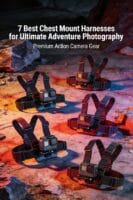
When you’re trying to pick between helmet and chest mounts for skiing, it really helps to think about what kind of footage you want and what you’ll encounter on the slopes. A chest mount is fantastic for capturing all your body movements, giving a real sense of action. It shows off how you navigate through powder and can really highlight your arms and gear as you make adjustments. You know that feeling when you’re carving through fresh snow? That chest mount can catch those dynamic moments beautifully.
On the other hand, if you’re planning to stick to groomed trails, a helmet mount might be your best bet. This mount gives you a broader view of your surroundings and stays pretty steady, making for smooth videos without lots of distractions from your limbs. Think about those wide-open trails or scenic runs—helmet mounts are great for those because they keep the focus on the landscape rather than your body. Whichever mount you choose, just remember to check them occasionally for snow buildup, as that can affect your video quality.
In the end, it all boils down to the type of skiing you’re doing. Do you want to capture intense action or showcase beautiful scenery? Once you figure that out, you’ll be ready to hit the slopes with some awesome footage in mind! Also, keeping your camera lens clean with ultra-soft microfiber cloths can make a huge difference in maintaining clear, crisp video quality during your ski sessions.
Exploring the Unique Viewpoint of Helmet Mounts

Have you ever wondered how a helmet mount can completely change the way athletes capture their adventures? With a helmet mount, you get this amazing bird’s-eye view that really highlights what they’re seeing while showcasing their surroundings — it’s perfect for those thrilling action sports moments. For instance, imagine a snowboarder speeding down the slope; the footage not only captures the breathtaking scenery but also the adrenaline of the ride.
Now, if you opt for a side helmet mount, you’ll find that accessing recording controls becomes so much easier. This means you can make adjustments on the fly without any hassle, which helps eliminate that floating camera feel. You get a more realistic first-person perspective that pulls viewers right into the action. On the other hand, if you choose a top helmet mount, you can achieve this fantastic 360-degree view. This is crucial when skiing or skateboarding because it keeps your footage stable, giving your audience a true sense of the energy involved.
Chin mounts are another cool option. They let viewers see exactly what the rider sees, minimizing wind drag and helping handle those wild stunts with greater stability. So, whether you’re capturing intense downhill runs or skating tricks, helmet mounts are a must-have for high-speed activities, keeping everything steady and clear even when the action gets shaky. Speaking of clarity, let’s talk about how the right angle can make all the difference in storytelling through your footage. Using cameras equipped with Electronic Image Stabilization (EIS) can greatly improve the smoothness and quality of your recorded videos, ensuring that every moment is captured without blurriness.
Capturing Body Movement With Chest Mounts

Hey there! Have you ever thought about using chest mounts for capturing body movement while riding? They give you this awesome perspective where you can really see how your body interacts with the bike, the handlebars, and even the terrain around you. Just strap that mount onto your torso, and you’ll get a front-row seat to all that action.
When using a chest mount, make sure to adjust the camera angle to get the best framing. That way, you won’t miss any of the cool stuff happening in your shot. Plus, because your torso doesn’t move as much as your head does, you’ll get some nice, stable footage. For example, I once filmed a buddy doing some gnarly downhill biking, and the chest mount captured every movement perfectly, making the footage super smooth and engaging.
The great thing about chest mounts is their versatility. Whether you’re hiking up a trail or doing some parkour, these mounts can handle it without the awkwardness of traditional headgear. This makes it easier to tell your story in a way that really highlights what you’re doing. So, as you think about your next adventure, consider how a chest mount could give life to your video narratives! Additionally, choosing mounts made from durable materials can ensure they withstand rugged conditions while keeping your camera secure.
Comparing the Stability and Quality of Helmet vs. Chest Mount Footage

When you’re looking to capture great video quality and stability, understanding the differences between helmet and chest mount setups is key. Helmet mounts can sometimes lead to shakier footage because your head moves around quite a bit while filming. Imagine riding a bike—every little shake of your head can translate into shaky videos. On the other hand, chest mounts do a better job of keeping things steady. They’re more stable since your torso isn’t bouncing around as much, which really helps keep viewers engaged with a smoother visual experience.
One big plus of using a chest mount is that it captures your eye-level perspective, making everything feel more relatable. If you’re filming some intense mountain biking, for instance, the chest mount gives the audience a firsthand view of the trail as you zoom down. You want your viewers to feel the action, and a chest mount does just that. However, if you’re after that awesome bird’s-eye view from a helmet, keep in mind that you might miss some details close to the ground.
If stability is your main concern, consider using a full-face chin mount. This setup uses the natural motion of your neck to help smooth out any jitters, making for a much more watchable video. So, when you’re out there filming, think about what perspective will tell your story best. It all comes down to what you want your audience to experience. Additionally, using gear with ergonomic straps can improve comfort during long filming sessions and help maintain steady shots.
What You Need to Know About Safety With Your Mounts

Hey there! So, when you’re using camera mounts for your adventures, it’s super important to think about safety first. Trust me, making sure everything is securely fastened can save you from some nasty surprises if you take a tumble—nobody wants a flying GoPro as a result of a fall, right? For instance, if you’re using a chest mount, just be aware that it might come into contact with your ribs during an accident, which isn’t ideal. On the flip side, a helmet mount usually detaches more easily, so it might be less of a risk if you take a spill.
Also, it’s a good idea to rock some extra protective gear. Things like padded vests can really help cushion any impacts you might encounter. Don’t forget to do a quick check on your mounts before you head out, especially when you’re planning on doing something intense. Weather conditions can weaken them, and you definitely want to avoid any surprises!
For added stability and smooth footage, consider using a gimbal with advanced 3-axis stabilization technology to minimize shakiness during your action shots.
Bottom line? Prioritizing your safety will let you focus on having fun and capturing epic POV footage without worrying about the what-ifs. Now, let’s chat about the best camera equipment to get those stunning shots!
Which Mount Is More Convenient?
When you’re gearing up for an adventure, the type of camera mount you choose can really impact your experience. Chest mounts are pretty handy because they let you easily strap your camera on and off. This means you can grab your camera for that perfect shot without fumbling around. Plus, they sit comfortably on your torso, which keeps your neck from getting tired, especially if you’re recording for a while.
On the flip side, helmet mounts are a bit of a hassle when it comes to taking them off. It can take some time to unclip them completely. While they do allow you to capture a flexible view of the surroundings, chest mounts let you quickly check your camera’s status without needing to turn your head. This can be a big deal when you want to make sure you’re getting the footage you want.
Also, if you’re into biking, chest mounts give you a better perspective of your bike and your movements, even if you’re not wearing a full-face helmet. Speaking of safety, helmet mounts can pop off if you take a hard fall, which is another reason why a chest mount might be more appealing. Overall, it’s worth considering how you plan to use your camera and what will keep you comfortable throughout your adventure. So, what other gear considerations do you have in mind for your next trip? Choosing mounts with adjustable designs can also enhance comfort and the quality of your footage.
When to Use Each Mount: Action Scenarios
Choosing the right camera mount is super important if you want to capture all that action during your outdoor adventures. For instance, if you’re hitting the slopes or biking down a rugged trail, a helmet mount is your best bet. It gives you that awesome bird’s-eye view, letting you show off how fast you’re going and how you navigate through obstacles.
Now, if you’re into trail running or hiking, going with a chest mount is a smart move. It stabilizes your footage perfectly while also capturing the way your body moves with the terrain. Think about running through a dense forest; the chest mount keeps things steady and shows off your interactions with nature, like jumping over roots or climbing steep inclines.
For water sports like whitewater kayaking, sticking with the helmet mount will keep you focused on those exhilarating rapids and complex maneuvers. You’ll get some heart-pounding shots that really depict the thrill of the ride. But if fishing is your jam, don’t fret about wearing a helmet. A chest mount works here too, giving you the freedom to cast and reel in your line without obstruction while still capturing all the angles.
And if you’re into aggressive riding, consider a chin mount. It can help minimize wind drag and keep your shots stable, ensuring your video quality stays top-notch. Understanding how to use each mount makes a big difference in telling your story, whether you’re skating, biking, or simply enjoying a day outdoors! Additionally, selecting mounts made from weather-resistant materials assures durability in all your adventures.
Effective Techniques for Capturing Skiing Footage
Capturing skiing footage can be super fun, but it does take a bit of technique and thought when it comes to your gear. First off, you want to think about your camera settings. Using a higher frame rate is key for those fast movements because it keeps everything smooth when you’re zooming down the slopes. Don’t forget about exposure—conditions can change quickly out there, so be ready to adjust for different light situations, like bright sun or sudden shade.
Now, when it comes to mounting your camera, you have a couple of cool options. If you want to show how your body moves, a chest mount is awesome. It gives viewers a real sense of your mechanics while skiing. On the flip side, a helmet mount will give your audience a direct view of your line of sight, making them feel like they’re right there with you. Just remember to check your camera frequently; a lens covered in snow can totally ruin an awesome shot. Cleaning it often will help keep your footage clear and crisp.
And if you’re skiing in powder, that chest mount might be your best bet. It creates a really nice sense of context, showing off not just the skiing but the environment around you. So, keeping these techniques in mind can really amp up your skiing footage, helping you avoid some common mistakes. Ready to hit the slopes and capture some amazing moments? Let’s talk about how to edit that footage for maximum impact!
To further enhance your videos, consider using advanced electronic image stabilization to reduce shakes and vibrations for smooth skiing shots.
What the Community Says About Mounts
When you’re hitting the slopes and thinking about the best way to mount your camera, it’s key to consider what works best for you. Many skiers are all about chest mounts because they capture a really dynamic, first-person view of your body in action—imagine the thrill of seeing your movements and the snow flying up around you! Full-face chin mounts are also pretty popular; they hold the camera steady and often give you smoother footage than those traditional helmet mounts.
Now, here’s something interesting: a lot of folks say that chest mounts can be safer if you take a tumble. Since they sit lower, they’re less likely to turn into projectiles like a helmet-mounted camera might. That said, some skiers mention that chest mounts can restrict your movement a bit, so getting them adjusted just right is important.
At the end of the day, it really comes down to what you’re comfortable with and what you want to capture. So, whether you’re looking to showcase your skills on a black diamond or share a fun day with friends, choose a mount that fits your style and needs. This way, you’ll create visuals that truly reflect your experience! Speaking of capturing those moments, let’s talk about the best camera settings for snowy conditions. Additionally, choosing a mount with adjustable straps and padded materials can significantly improve comfort and footage stability on the slopes.
Elevate Your Storytelling With POV Footage Tips
Hey there! If you want to take your storytelling to the next level, using Point of View (POV) footage is a fantastic way to create visuals that draw your audience in. You’ve got a couple of options for mounts – you can choose between a chest mount or a helmet mount. A chest mount is great because it captures your arms and handlebars, showing the movement and making it feel dynamic. On the other hand, helmet mounts give a first-person view, so you see exactly what you see as you ride. It’s like putting your audience right there with you!
Try out different angles too! For example, if you have a full-face helmet, a chin mount can give a really cool perspective. It’s all about experimenting to see what works best for your story. Remember, stability is key. Chest mounts often help reduce shake, which keeps viewers focused on the action instead of getting distracted by a wobbly image.
Lastly, don’t hesitate to mix it up! Combining footage from both the chest and helmet mounts can create a well-rounded narrative that highlights what you’re doing while showcasing the environment around you. This approach keeps your audience engaged and makes them feel like they’re right in the middle of the action. Understanding these techniques can enhance your storytelling even more! Choosing a harness with shock-absorbing mounts can further improve footage stability during high-motion activities.
Frequently Asked Questions
What Is the Difference Between a Chest Mount and a Helmet Mount?
The difference between a chest mount and a helmet mount lies in their mounting techniques. Helmet mounts offer an eye-level view, while chest mounts provide a lower angle, enhancing stability and comfort for various activities.
What Is the 2 2 2 Rule When Fitting a Helmet on Your Head?
The 2 2 2 rule for helmet fitting requires a two-finger gap above the eyebrows, two-finger space in the chin strap, and minimal movement when shaking the head, ensuring safety and proper fit during use.
Where Is the Best Place to Put a Gopro on a Helmet?
The best place to mount a GoPro on a helmet is the chin or top area, ensuring camera stability and an immersive first-person perspective, while also capturing an unobstructed view of the surroundings during action sports.
Where to Place a Camera on a Helmet?
Ideal camera positioning on a helmet involves selecting a flat surface for secure adhesion. Side and chin mounts offer immersive perspectives, while avoiding placement above the visor enhances visibility and captures the rider’s line of sight effectively.


