As an Amazon Associate, we earn from qualifying purchases. Some links on this site are affiliate links at no extra cost to you. Our recommendations are based on thorough research and editorial judgment.


POV Storytelling: How to Add Context So Viewers Understand the Scene

To add context in POV storytelling, use distinct shot types like first-person and subjective angles to immerse viewers in the character’s world. Align camera height with the character’s perspective and guarantee movements reflect their actions. Clear lighting and color grading can enhance emotional clarity. Avoid rapid camera shifts to maintain focus. Balance POV with objective shots for varied perspectives, making sure viewers grasp the scene’s significance. Explore further to uncover more technical insights and creative techniques to enhance your storytelling.
Key Takeaways
- Utilize establishing shots to provide viewers with a sense of location and context before transitioning to POV angles.
- Incorporate visual cues and props that reflect the character’s emotions and experiences, enhancing understanding of the scene.
- Use sound design effectively to complement POV shots, guiding viewers’ feelings and reactions throughout the narrative.
- Balance POV perspectives with occasional objective shots to provide necessary context and prevent emotional fatigue.
- Employ carefully chosen lighting and color grading to evoke atmosphere and align with the character’s emotional journey, adding depth to the scene.
What Are POV Shots and Why Are They Important?

You may be interested


Hey, have you ever noticed how powerful point of view (POV) shots can be in movies? They’re these cool techniques that really help link the characters to us, the viewers. Basically, a POV shot shows the action from a character’s perspective, so we almost feel like we’re stepping into their shoes. For example, when a character looks out over a vast landscape, the film mimics what they see, making us feel the wonder or perhaps the loneliness of that moment.
These shots can bring a character’s emotions to life in a way that feels intimate and real. Think about horror films—they often use POV shots to let us see what the character sees, making those jump scares even more intense. If the camera is at eye level and moves smoothly, it gives us a genuine sense of being there with the character. To achieve such smooth and stable shots, many filmmakers invest in multi-camera control systems that enhance the precision and quality of the footage.
What Are the Different Types of POV Shots?

Hey there! Let’s chat about the different types of POV shots. Understanding them can really amp up the storytelling and emotional depth in your films. So, first off, there’s the First-Person POV. This shot puts the audience right in a character’s shoes, letting us see the action from their perspective. You often see this in action movies—think of how thrilling it is to experience a chase scene as if you’re the one running for your life!
Then we have Subjective POV, which is more about capturing how a character feels. This one’s especially popular in horror films where it brings out those intense emotions. Picture a character looking around in a dark room; the shot might shake or become blurred to mimic their fear and anxiety, helping the audience connect with their experience rather than just watching from a distance.
On the flip side, there’s Objective POV. This perspective gives us a broader view of the scene without tying us to a specific character’s experience. It allows us to see the action unfold in a neutral way. For instance, if two characters are having a tense conversation, an objective shot shows both of them in the frame together, letting us grasp the dynamics at play without favoring either side.
Understanding these POV shots can really change how your audience perceives the story, setting the tone and emotional stakes. So, next time you’re crafting a scene, consider how you want your viewers to connect with the characters. Speaking of techniques, let’s talk about how framing and angles can further enhance these perspectives. Using 3-axis stabilization technology in filming can help maintain smooth and immersive POV shots even during fast-paced action scenes.
How to Film Effective POV Shots
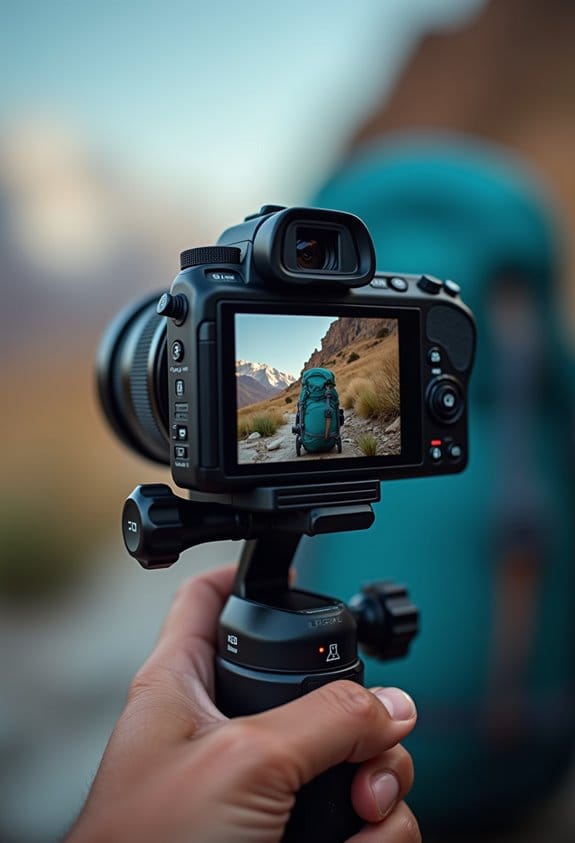
If you want to film effective POV shots, the first thing to remember is that your camera needs to be at the character’s eye level. This positioning really helps the audience feel like they’re seeing the world through that character’s eyes, which makes the experience much more immersive. For instance, if your character is walking through a crowded street, holding the camera as if you were that character helps viewers feel the hustle and bustle around them.
Now, whether you go for handheld cameras or a Steadicam can depend on the mood of your scene. Handheld shots can add a gritty, realistic feel — think of a horror movie where everything’s shaky and tense. On the other hand, if a scene calls for a smoother look, like a romantic moment, a Steadicam can glide effortlessly to enhance that feeling.
It’s also crucial to match your camera movements with the character’s actions. So, if the character looks side to side, you should do that with the camera, too. This small detail helps create a deeper connection with the audience. Just keep in mind not to jerk the camera around too much or make sudden shifts in perspective; that can leave people feeling dizzy instead of engaged. Using proper lighting and color grading can add emotional depth, too. Think about how a warm glow can change a scene’s feeling from ominous to inviting.
As you’re planning your shoots, think about how these elements work together to create a genuine narrative experience. It’s all about putting the audience in the character’s shoes! For hands-free filming that maintains the POV perspective during dynamic scenes, consider using a GoPro chest mount to keep your camera stable and aligned with your body’s movement.
What Are the Common Mistakes to Avoid When Filming POV Shots?

When you’re shooting POV shots, it’s all about creating that immersive experience for your viewers. But there are definitely some common mistakes you want to steer clear of. For instance, rapid camera movements can really throw people off. Imagine trying to follow a character who’s running through a crowded street; if the camera shakes too much or moves too quickly, it’s likely to make your audience feel disoriented instead of engaged.
Another key thing to keep in mind is the character’s perspective and eye level. If your character is 6 feet tall, make sure the camera reflects that height. You’d want the viewer to truly see what the character sees—whether it’s peeking over a table or looking up at a towering building.
And don’t forget about moderation! Overusing POV shots can lead to viewer fatigue. Think about how you can sprinkle them into your story to enhance key moments instead of relying on them too heavily. Plus, lighting and colors play a major role. If you’re shooting a dreamy sequence, ditch the harsh shadows and go for softer lighting to really pull people into that moment.
Lastly, you want to keep your camera movements in sync with your character’s actions. If they’re glancing around nervously, let the camera mimic that jittery energy. This attention to detail makes the experience feel much more real. By avoiding these common pitfalls, you’ll create compelling POV shots that truly connect your audience with the character’s journey. And speaking of journeys, let’s talk about how sound design can elevate this experience even further!
Also, selecting the right mount, such as a helmet sticky mount, can help achieve steady and immersive POV footage by securely aligning the camera with the character’s viewpoint.
Which Famous Films Showcase Effective POV Shots?

You know, effective POV shots can really change the way we experience a film. They pull us right into the character’s world, making us feel what they feel. A classic example is “Halloween” from 1978. The film opens with a chilling POV shot from the killer’s perspective, which creates this really unsettling vibe as we witness the world through a predatory gaze.
Then there’s “The Blair Witch Project.” Think about those shaky handheld POV shots. They heighten the fear factor, making us feel as though we’re right there in the woods with the characters, sharing in their panic. Or consider “Enter the Void,” where the film takes us on a wild first-person journey that really challenges how we see reality—all through the eyes of the protagonist.
And let’s not overlook “Dunkirk,” which masterfully blends POV shots from land, sea, and air. This technique ramps up the tension, making each moment feel urgent and emotionally charged. Lastly, “Mad Max: Fury Road” uses fast-paced first-person shots that throw us right into the heart of chaotic car chases, making each explosion and near-miss feel incredibly immediate.
These films really show how powerful POV can be in creating a deeper connection to the story. Next, we can explore how these techniques affect audience emotional engagement and response in different genres! High-quality footage and video stabilization technology can further enhance POV storytelling by creating immersive and smooth visual experiences.
How Does POV Impact Emotional Engagement in Storytelling?
Have you ever noticed how perspective, or POV, really changes how we feel when watching a film? It’s fascinating! When filmmakers use first-person POV shots, they pull us right into the character’s world. It’s like we’re seeing through their eyes, feeling their joys and fears, which makes their emotional struggles hit closer to home for us. For instance, when a character faces a daunting challenge, and we see that through their perspective, it’s not just a story anymore; it becomes an experience we can relate to.
Imagine a horror movie where the camera mimics the character’s shaky breath as they open a creaking door. Suddenly, we’re not just watching; we’re feeling that suspense, too! These POV shots give us insight into a character’s emotional state, helping us understand why they react the way they do. Using cameras with Electronic Image Stabilization can make these POV shots smoother and more immersive.
What Creative Ways Can You Experiment With POV in Your Projects?
Hey there! If you want to create a more immersive experience in your storytelling, experimenting with different POV techniques can really amp up viewer engagement. You know, first-person POV shots let the audience step right into a character’s shoes, making them feel every thrill and struggle. For example, in a horror film, using a first-person perspective during a chase scene can make the heart race even faster.
But don’t stop there! Mixing up your POV can be super effective, too. You could use handheld camera shots for a more realistic vibe, perfect for moments of chaos, while static shots might give a scene a more controlled feel. Think about how downward angles can make a character look more vulnerable—just like how we feel when we’re put on the spot.
Another nifty trick? Use lighting and color in your POV scenes to reflect a character’s emotional state. For instance, a dimly lit room can convey sadness or anxiety, while bright colors can evoke joy or excitement. These techniques help you craft stories that really resonate with viewers, keeping them engaged and emotionally invested all the way through. And this just scratches the surface—there’s so much more to explore when it comes to POV! Using a compact tripod can help stabilize your shots and give you more control over varied POV angles.
Frequently Asked Questions
How to Use Pov in Storytelling?
Like a window into a character’s soul, utilizing POV in storytelling requires balancing character perspective with immersive experience. This fosters emotional connection while enhancing narrative voice and ensuring scene clarity for the audience’s understanding.
What Effect Does a POV Shot Have on the Audience?
A POV shot greatly enhances narrative engagement by creating an immersive experience that fosters an emotional impact. This perspective shift deepens audience connection, allowing them to internalize the character’s journey and psychological state effectively.
How to Write a Context of a Story?
To write a context of a story, include contextual elements such as setting importance, character background, and plot motivation, which collectively create a narrative context that enhances engagement and deepens the audience’s understanding and emotional connection.
How to Know What Point of View a Story Is Told In?
To determine a story’s point of view, readers should identify key narrative distinctions—whether it’s first-, second-, or third-person. This choice influences character insight, emotional engagement, and reader immersion, shaping the overall narrative experience considerably.


